
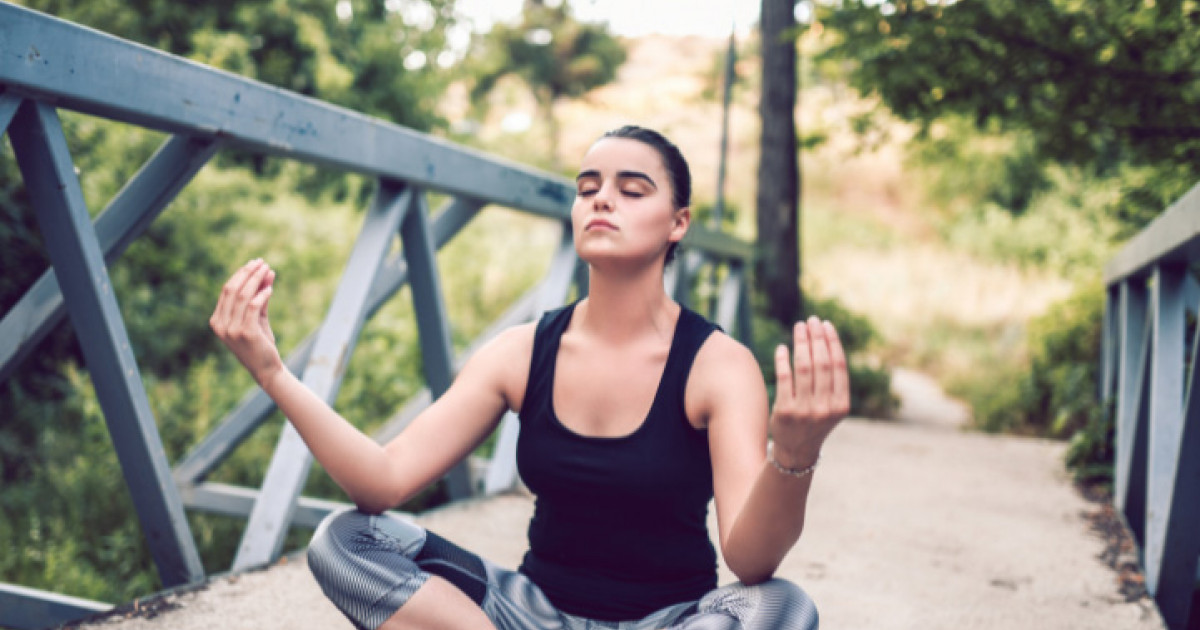
In today’s hectic world, stress and worry are common problems for many people. Stress can have a negative impact on your physical and mental health. It can be caused by work stress and personal issues, among other things. Fortunately, mindfulness and meditation have been shown to help people manage and reduce their worries and fears. Using these methods, people can take a step back, focus, and approach life with a better and more balanced mindset. Here are five effective ways to reduce stress and worry through mindfulness and meditation.
Breathing Awareness
One of the simplest and most important ways to practice mindfulness is through mindful breathing. This involves focusing all of your attention on your breathing and noticing each inhale and exhale without trying to change it. This practice can help you focus your mind on the present moment, preventing it from wandering to worrying or stressful thoughts. Mindful breathing can be easily practiced at any time and anywhere, making it an effective tool for managing stress on the go.
When you focus on your breathing, your body’s calming response begins. This helps to lower your heart rate and blood pressure. It can also break the cycle of tense thoughts because it gives you something neutral and relaxing to focus on. First, find a quiet place, sit down, and take a few slow, deep breaths. Start by focusing on your breathing for a few minutes each day. Build up slowly.
Body Scan Meditation
In body scan meditation, you mentally scan each part of your body, from head to toe, and notice any areas where you feel tense or uncomfortable. The goal is to be aware of these feelings, but not to judge them. This practice can help to relieve physical tension that causes stress. By focusing on each part of your body, you become more in tune with it, which helps you relax and reduce stress.
Lie down in a comfortable position, close your eyes, and begin a body scan. Start by focusing on the top of your body and slowly move down. Focus on each part of your body and notice any sensations, stiffness, or pain. Are you feeling tense? Take a deep breath and imagine the stress disappearing as you exhale. This practice is especially effective before bed, as it helps you relax and prepare for a good night’s sleep.
Loving Kindness Meditation (Metta)
The essence of loving kindness meditation (also known as Metta) is cultivating loving kindness, compassion, and kindness toward yourself and others. This practice is especially helpful for reducing stress and anxiety, as it helps you focus on positive feelings rather than on anxious or fearful thoughts. Loving kindness meditation can help you see yourself, your loved ones, ordinary people, and even people you don’t like in a positive light.
While practicing, silently say in your heart, “May I be happy, may I be healthy, may I be safe.” Then say the same to others. By increasing your empathy and reducing stress, this practice can help you feel calmer and more connected to others. The more you meditate on loving-kindness, the easier it will be to stay calm when you’re feeling stressed or anxious.
Meditation Tool
Guided meditation is a form of meditation in which another person or an audio recording guides you through the steps of the meditation. It’s especially helpful for beginners or those who have trouble meditating on their own. There are many different types of guided meditation, including visualization, breathing exercises, and mindful techniques. Often, these instructions can help you calm down and focus better.
Guided meditation can be especially helpful for people who suffer from anxiety, as it provides structure and direction during the meditation. There are many guided meditations available online. Choose the one that works best for you. Whether you want to worry less, tackle anxiety, or improve your sleep, there’s a guided meditation for everyone. Spend a few minutes each day listening to a guided meditation. This will help you relax and let go of your worries.
Walking with Mindfulness
Another simple and effective way to practice mindfulness, which can help reduce stress and anxiety, is to walk with mindfulness. Mindful walking is different from regular walking because you become aware of each step you take and how your feet, legs, and body feel ethnic. By incorporating practices such as mindful breathing, body scan meditation, loving kindness meditation, guided meditation, and mindful walking into your daily life, you can create a sense of inner peace and emotional balance. These practices don’t require a lot of time and effort, but the benefits are enormous. By making mindfulness and meditation a regular part of your life, you can reduce stress and anxiety and achieve a calmer state of mind.