
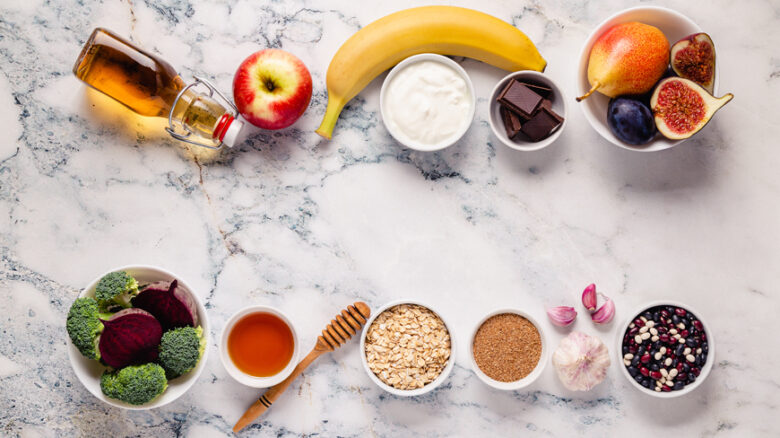
Eliminating foods high in sodium, saturated fat and sugar may help protect against heart disease and obesity. When shopping, seek nutrient-packed alternatives to processed snacks like chips – like roasted chickpeas and trail mix.
Consider plant-based proteins such as legumes (including soy and tofu ), nuts and fatty fish for optimal heart health. These foods help lower cholesterol, blood pressure, reduce risk for cardiovascular disease and stroke and offer antioxidant protection.
1. Processed Meats
Processed meats can be found almost everywhere food is served and sold, from restaurant menu items such as ham sandwiches and bologna, to grocery store freezers full of sliced deli meats and canned goods, fast food joints, sporting events and stadium food stalls offering burgers, hot dogs and sausages.
Consumption of processed meats is never advised when it comes to health; they have been linked with cardiovascular disease, Type 2 diabetes and some forms of cancer. Processed meats contain salt, nitrites and nitrates which have been shown to contribute to colorectal cancer when exposed to heat from cooking; in addition, carcinogenic compounds known as nitrosamines may damage colon lining, increasing risk for cancer development.
Processed meats include any meat that has been preserved through curing, salting, smoking or chemical preservatives and can include bacon, deli meats and sausages, canned corned beef and pepperoni as well as lean white meats such as chicken and turkey that require some processing to preserve their nutrition.
Consuming processed meats occasionally is fine, but to reduce overall risks for illness and disease it’s wise to limit their consumption as much as possible. Consuming even once or twice weekly increases your chances of heart disease and cancer, so try and limit how often they’re consumed.
2. French Fries
At most fast-food restaurants, fries are an immensely popular side option; however, for your own health it may be wise to limit or avoid these starchy starches altogether. Many varieties of deep-fried fries contain high levels of sodium that could increase cardiovascular disease and diabetes risks as well as saturated fat content that can raise cholesterol levels significantly.
Fries are often served with condiments such as ketchup, vinegar, mayonnaise or tomato sauce depending on their country of origin. Steak fries or loaded fries may also be available and made using different varieties of potatoes such as sweet potato or yams.
Though many do not view French fries as guilty pleasures, it is best to limit how often they’re consumed every week and choose those prepared using less oil – baked in an oven or air fried fries will contain three or four times less.
In the US, fast-food chains typically fry their fries using vegetable or canola oil, which is considered healthier because it does not contain trans fats like other varieties do. Unfortunately, however, many still add excessive salt content into their fries which could increase daily sodium consumption significantly.
3. Snacks
Snacking is the practice of eating food between meals. Snacks can range from sweet or savory treats, light to substantial snacks that contain proteins, fats, carbohydrates, vitamins, and minerals – with examples like potato chips, extruded snacks (fried products), nuts & seeds, candy bars & cakes being some popular examples.
Snacking can be an addicting form of distraction and may lead to overeating. To ensure we select healthy snacks that won’t contribute extra salt, sugar and saturated fats into our bodies and may help manage our weight, prevent spikes in blood sugar and avoid health-related problems such as diabetes and high cholesterol levels.
Healthy snacks should be low in fat and sugar while providing plenty of fibre and water. When selecting snacks for health purposes, fresh fruits and vegetables, whole grains, yogurt with lower-fat spread, low-fat cheese or fruited teacake are excellent alternatives to packaged ones; if consuming packaged treats instead, opt for those that feature more green and amber lights on the traffic light label and limit consumption to no more than two per day.
Rather than scooping out of a container, serve your snacks onto a plate or bowl and enjoy eating slowly with drinks – this can help decrease how quickly you overeat!
4. Alcohol
Alcohol refers to any organic compound containing one or more hydroxyl groups attached to carbon atoms of an alkyl chain, like ethanol (alcohol) or butane (butyl alcohol). Drinking too much alcohol – specifically beer, wine and spirits – has been linked with increased heart disease risk and dehydration; excessive consumption can interfere with absorption of nutrients by dehydrating and dehydrating your body.
Sugar in alcohol beverages may weaken your immune system and increase the risk of weight gain, high blood pressure, type 2 diabetes and certain cancers. Therefore, it is wise to limit foods containing added sugars and opt instead for whole grain cereals, fruit salad, vegetables, lean meats and low-fat dairy as alternatives.
Studies suggest that moderate drinking lowers heart disease risk and may even increase levels of HDL cholesterol in the blood, yet experts have criticized these studies, contending they were biased by influence from alcohol companies resulting in false positive results. Heavy alcohol use has been linked with various cancers including liver and pancreatic diseases as well as heart disease.